
Best Shingles for Hot Climates That Hold Up

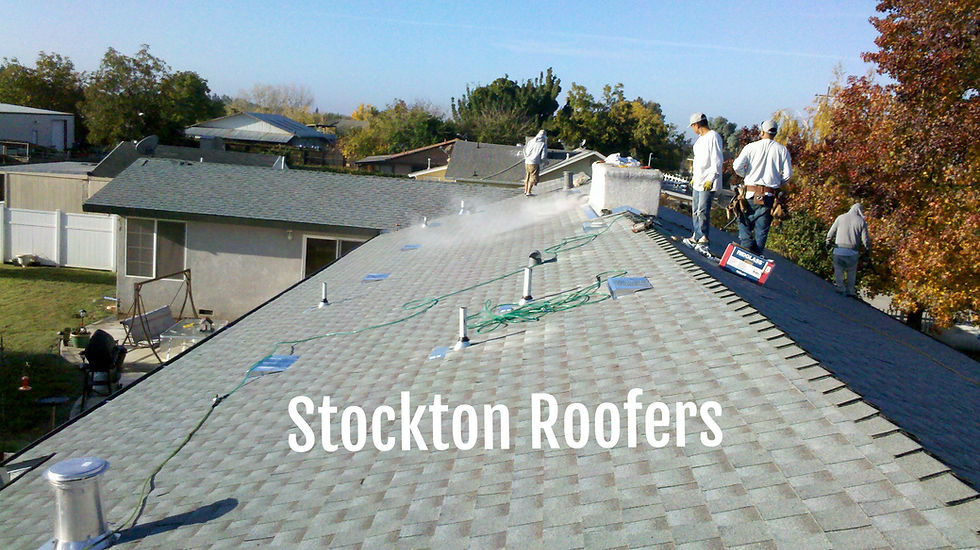
A Stockton roof can spend months under intense sun without a break. By the time summer is in full swing, your shingles, attic, flashing, and underlayment have already been dealing with high surface temperatures, UV exposure, and daily expansion and contraction. Choosing the best shingles for hot climates is not just about picking a lighter color. It means selecting a complete roofing system that can stand up to heat while protecting your home from leaks and premature wear.
For many local homeowners, architectural asphalt shingles remain the practical choice. They offer strong performance, a wide range of colors, and a lower upfront cost than tile. But not every asphalt shingle is built the same, and the installation details matter just as much as the brand or color printed on the sample board.
Best Shingles for Hot Climates: Start With the Right Type
The best shingle choice depends on your roof slope, budget, attic ventilation, and the condition of the existing roof deck. For most homes in Stockton and Lodi, a quality architectural shingle with a fiberglass mat is the best balance of durability, appearance, and value.
Architectural shingles are thicker than traditional three-tab shingles and have a layered construction that gives them more dimensional appearance and better resistance to weathering. Their fiberglass base also handles heat better than older organic-mat shingles, which can absorb moisture and deteriorate faster over time.
A basic three-tab shingle may cost less at installation, but it is usually thinner, carries a lower wind rating, and has less material protecting it from the sun. That lower price can become expensive if the roof ages early or requires repair sooner than expected. For a home you plan to keep, architectural shingles are generally the smarter investment.
Look for cool roof-rated asphalt shingles
Cool roof shingles are designed with reflective granules that send more solar energy away from the roof surface. They can be available in colors beyond plain white or light gray, including certain browns, tans, and darker blended shades made with reflective technology.
A reflective shingle can help reduce heat transfer into the attic, which may lower the workload on your air conditioning system. The difference varies by insulation levels, attic ventilation, roof orientation, tree cover, and the size of the home. It is not a replacement for proper insulation, but it can be a meaningful part of an efficient roof system.
When comparing options, ask about solar reflectance and whether the selected color meets applicable cool roof requirements. California energy standards and local project requirements can affect what materials make sense for your property. A qualified roofing contractor can help you choose a shingle that meets the rules without forcing you into a color you do not want.
Choose UV-resistant granules and a strong warranty
Sunlight slowly breaks down asphalt. The granules on the surface of a shingle are not there only for color. They shield the asphalt layer from ultraviolet rays and help the shingle resist weathering. When granules begin collecting heavily in gutters or washing into downspouts, it can be a warning that the roof is aging.
Better shingles use durable, tightly embedded granules and asphalt formulations designed for longer exposure. Many premium architectural shingles also carry higher wind ratings and stronger manufacturer warranties. Read the warranty carefully, however. A long warranty does not mean every possible issue is covered, and improper installation can limit coverage.
The goal is not to buy the most expensive shingle on the shelf. It is to choose a proven product grade that fits the home, then install it correctly with compatible underlayment, flashing, ventilation, and ridge components.
Color Matters, but It Is Not the Whole Story
Lighter shingle colors usually absorb less heat than deep black, charcoal, or dark brown shingles. On a roof with full afternoon sun, that difference can be significant. A light gray, weathered wood, driftwood, or cool-roof blend may be a good fit for homeowners who want heat performance without a stark appearance.
Still, a dark roof is not automatically a bad decision. Some homeowners prefer the look of darker architectural shingles, especially on certain exterior color schemes. If you choose a darker color, ventilation and insulation become even more important. The right roofing system can manage heat better than color alone.
Appearance also affects resale value and neighborhood fit. A roof replacement is a major exterior upgrade, so it should protect the property while complementing the home. Looking at full-size samples in direct daylight is more reliable than selecting a color from a small brochure image.
Do Not Overlook the Roof System Below the Shingles
Shingles take the visible punishment, but failures often begin underneath them. Heat can cause roof materials to expand during the day and contract as temperatures drop at night. Over years, that movement can stress nail points, flashing details, sealant, and penetrations around vents or skylights.
A dependable hot-climate roof installation should include quality synthetic underlayment, properly installed flashing, and adequate intake and exhaust ventilation. Synthetic underlayment provides a stronger secondary water barrier than old-fashioned felt in many applications. Proper flashing at chimneys, walls, valleys, vents, and skylights directs water where it belongs instead of relying on caulk as a permanent fix.
Attic ventilation deserves special attention. Trapped attic heat can raise the temperature of the roof deck and shingles from below. A balanced system typically uses intake ventilation near the eaves and exhaust ventilation at the ridge or other approved high points. The right design depends on the roof layout. Adding a few vents without calculating airflow can create weak performance rather than solve the problem.
Insulation works alongside ventilation. Insulation slows heat transfer into living spaces, while ventilation helps remove heat and moisture from the attic. Both protect comfort, energy use, and the long-term condition of the roofing materials.
When Shingles May Not Be the Best Material
Asphalt shingles are not the only option for hot weather. Tile roofs can offer excellent heat performance and a long service life, but they are heavier, typically cost more, and require the roof structure to support the load. Tile can be an excellent fit for some properties, particularly when replacing an existing tile system, but it is not automatically the right answer for every home.
Metal roofing reflects heat effectively and can last for decades, yet it comes with a higher initial cost and requires experienced installation around seams, penetrations, and transitions. For low-slope sections, a properly designed flat roofing membrane may make more sense than shingles altogether.
The best material is the one designed for your roof's slope, structure, exposure, and budget. Installing shingles on a roof section that needs a low-slope system is a shortcut that can lead to leaks, regardless of how good the shingles are.
Signs Your Current Shingles Are Losing the Fight Against Heat
Do not wait for a ceiling stain to find out your roof has reached the end of its service life. Shingles that curl at the edges, crack, blister, lose excessive granules, or show bald spots need professional attention. Dark streaks can be cosmetic in some cases, but widespread deterioration is different.
Inside the home, unusually high upstairs temperatures, visible daylight in the attic, water staining, or musty odors can point to roofing, ventilation, or leak issues. Commercial property owners should also watch for ponding water and separated seams on low-slope roof areas, which require a different approach than a standard shingle roof.
An inspection can identify whether targeted repairs are still worthwhile or whether replacement is the safer financial decision. Honest diagnosis matters. Replacing a roof too early wastes money, but delaying necessary replacement can turn a roofing issue into deck damage, insulation damage, and interior repairs.
Get the Installation Right the First Time
A quality shingle can only perform as well as the crew installing it. Correct nail placement, straight courses, sealed flashing, proper valley treatment, and clean ventilation details are what separate a roof that looks new from one that stays dependable through years of heat and weather.
For homeowners deciding between colors, shingle grades, or a repair versus replacement, a local inspection provides clarity before work begins. Ron Williams' Certified Roof & Inspection brings more than 50 years of roofing experience & certified roofers to Stockton-area properties, with the licensed, bonded, and insured service homeowners expect when protecting a major investment.
A roof should give you confidence when the forecast calls for another stretch of triple-digit heat. Start with a careful inspection, choose materials suited to your property, and make sure the system is installed with the same attention given to the shingles everyone can see.


Comments