

Tile Roof Versus Shingle Roof: Which Fits?
- Ron Williams Certified Roof

- Jul 14
- 6 min read
A roof replacement is not the place to choose based on curb appeal alone. In a tile roof versus shingle roof decision, the right answer depends on your home’s structure, budget, exposure to heat and wind, and how long you expect to own the property. Both systems can protect a Stockton-area home well when they are properly installed. The difference is in the upfront investment, long-term maintenance, and the condition of the roof beneath the visible material.
Tile Roof Versus Shingle Roof at a Glance
Tile roofs are known for their distinctive appearance, long service life, and strong performance in hot, dry conditions. Concrete and clay tiles are common choices in California neighborhoods, especially on homes designed with the roof framing and slope to support them.
Shingle roofs are more affordable upfront, lighter on the home’s structure, and available in a wide range of colors and styles. Architectural asphalt shingles are a practical choice for many homeowners because they provide dependable weather protection without the higher material and installation costs associated with tile.
Neither material is automatically better. A newer home with tile already in place may be an excellent candidate for another tile system. A home with aging framing, a tight replacement budget, or a simpler roofline may be better served by quality architectural shingles.
Cost: Upfront Price Versus Long-Term Value
Shingles generally cost less to install than tile. The materials are less expensive, the roof deck usually does not need structural upgrades, and installation typically moves faster. For homeowners who need a reliable replacement now while keeping costs manageable, shingles often make the most sense.
Tile has a substantially higher initial cost. The material itself is heavier and more labor-intensive to install. Depending on the existing structure, a contractor may need to evaluate whether the framing can safely carry the load. Tile also includes more components than many owners realize, including underlayment, flashings, battens where required, ridge materials, and carefully fitted pieces around valleys, vents, and skylights.
The value calculation changes over time. A well-maintained tile roof can last longer than a typical asphalt shingle roof, but that does not mean every part of the system lasts equally long. The tile may remain serviceable for decades while the underlayment beneath it eventually needs replacement. When comparing estimates, ask what is being replaced below the surface, not just what you will see from the street.
Lifespan Depends on the Entire Roofing System
A quality architectural shingle roof can provide many years of service when it has proper attic ventilation, solid flashing, and professional installation. Heat, sun exposure, installation quality, and routine maintenance all affect how long shingles perform. Granule loss, curling edges, bald spots, and repeated repairs are signs that an older shingle roof may be nearing replacement.
Tile can offer a longer material lifespan, particularly concrete or clay tile installed correctly on a suitable roof. Still, tiles can crack from impact, foot traffic, or falling branches. Individual damaged tiles can often be replaced, but a repair is only effective if the underlayment and flashing underneath are still in sound condition.
This is why a roof inspection matters before making a replacement decision. A roof can look acceptable from the ground while hiding failed valley metal, brittle underlayment, loose flashing, or moisture damage around penetrations. The visible roofing material is only one layer of the protection your home needs.
Weight Is a Major Factor With Tile
Tile is significantly heavier than asphalt shingles. That added weight is not a reason to avoid tile on every home, but it is a reason to have the structure evaluated before changing from shingles to tile. A roof designed for lightweight shingles may not be ready for a heavy tile installation without reinforcement.
For a home that already has tile, the conversation is different. The existing framing may have been designed to support it, but an inspection should still confirm the condition of the roof deck and supporting structure. Years of leaks or poor ventilation can affect wood components below the tile.
Do not assume a contractor can simply remove shingles and install tile because you like the look. A professional estimate should account for structural requirements, roof pitch, drainage design, and local code considerations. Skipping that step can create expensive problems later.
Heat, Wind, and Stockton Weather Conditions
Stockton summers are hard on every roofing material. Long stretches of heat and direct sun can age asphalt shingles over time, especially on south- and west-facing roof sections. Choosing a quality shingle, correct ventilation, and proper installation gives the roof a better chance to handle that exposure.
Tile performs well in hot climates and can help create air space above the roof deck, depending on the installation system. It is a proven choice for many California homes. However, tile is not maintenance-free. Wind can dislodge improperly secured pieces, and debris can collect in valleys or around roof transitions.
Rain may be less frequent than in other parts of the country, but when it arrives, water finds weak points quickly. Valleys, chimneys, wall flashings, skylights, and pipe penetrations deserve close attention whether you choose shingles or tile. Good roofing work is about controlling water at every transition, not merely laying down attractive material.
Appearance and Neighborhood Fit
Tile has a premium, traditional look that complements Spanish, Mediterranean, and many custom California home styles. It can be especially appealing when surrounding homes use similar roofing. The color and profile of the tile can become a defining part of a home’s exterior.
Shingles offer more design flexibility than many homeowners expect. Architectural shingles can create depth and shadow lines that look more substantial than older three-tab shingles. They are available in neutral blends, darker tones, and colors that work well with a broad range of siding, stucco, and trim.
If resale value is part of your decision, think beyond material preference. A roof should fit the home, be installed cleanly, and show that the property has been maintained. A poorly installed tile roof will not add value simply because it is tile. A professionally installed shingle roof with clear documentation and a clean appearance can be a strong selling point.
Repairs and Maintenance Are Different
Shingle roofs are generally straightforward to inspect and repair. When damage is limited to a small area, individual shingles can often be replaced. Color matching may be difficult on an older roof due to fading, but the repair process itself is usually less involved than tile work.
Tile repairs require experienced handling. Walking carelessly on tile can crack pieces, and finding a replacement tile that matches an older profile or color can take effort. More importantly, a cracked tile is not always the whole problem. The underlayment beneath it may have deteriorated, allowing water to reach the deck even if most tiles still look intact.
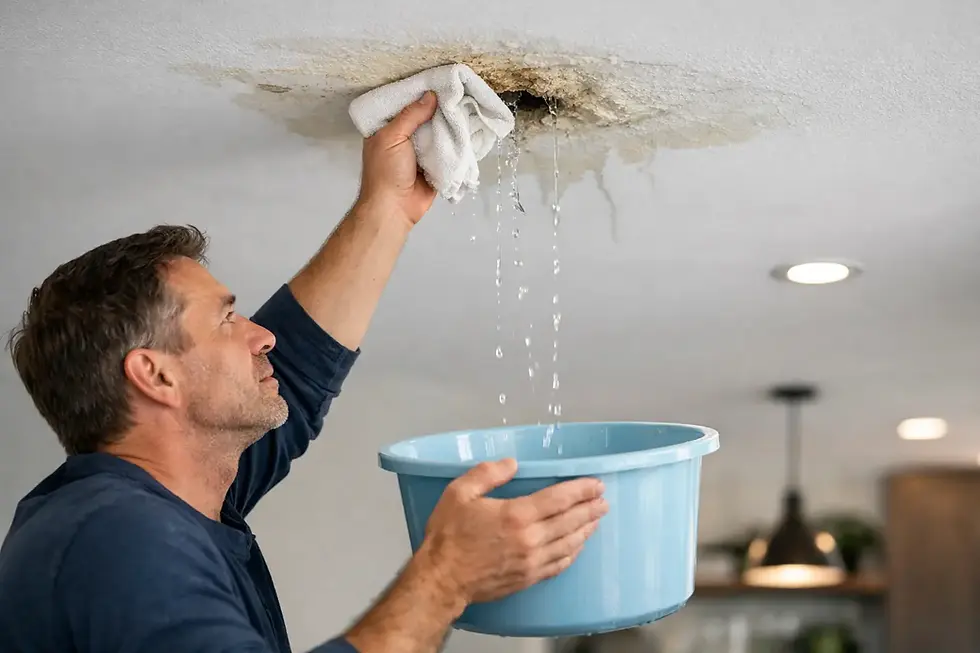
For either roof type, basic maintenance pays off. Keep gutters and valleys clear, trim branches away from the roof, address loose flashing promptly, and schedule an inspection after significant wind or a suspected leak. Waiting for a ceiling stain often turns a manageable repair into deck, insulation, or interior damage.
When Shingles Are Usually the Better Choice
A shingle roof is often the practical choice when budget is the main concern, when the home is not engineered for tile weight, or when you need a dependable replacement without extensive structural work. It is also a smart option for many rental properties and small commercial buildings where durability, repairability, and cost control matter most.
Choose a higher-quality architectural shingle rather than focusing only on the lowest bid. Proper tear-off, deck preparation, underlayment, ventilation, and flashing details have a major effect on the life of the roof. Cheap installation can erase the savings of a lower-cost material.
When Tile Is Worth the Investment
Tile may be worth the added cost if your home is built to support it, the architectural style calls for it, and you plan to stay in the property long enough to benefit from its longevity. It can also make sense when replacing an existing tile roof, provided an inspection confirms that the structure and deck are in good condition.
The key is to budget for the full system. Reusing sound tile may sometimes be possible during certain projects, but worn underlayment, damaged flashing, and failed valleys should not be ignored just because the tile itself still looks good.
A clear inspection is the best starting point. Ron Williams' Certified Roof & Inspection can assess the condition of your current roof, explain what is happening beneath the surface, and provide an estimate based on the system your property actually needs. Before choosing a color or profile, make sure the roof protecting your family or business has the structure, drainage, and workmanship to perform when the weather changes.

Comments