
Does a New Roof Need to Be Inspected?
- Ron Williams Certified Roof

- Jun 30
- 6 min read

A roof can look perfect from the driveway and still have problems you will not see until the first hard rain. That is why homeowners often ask, does a new roof need to be inspected? In many cases, yes. A new roof is a major investment, and an inspection helps confirm the work was done correctly, the materials were installed to code, and small mistakes do not turn into expensive leaks later.
This is a new roof inspected by Ron Williams Certified Roof. The shingles are new yes, but the roof installation methods used are so poor that the new roof needs to be replaced!
Shingles / flashing installed incorrectly.
Unsealed at flashing / pipe connection.
3. Unsecured flashing.
Old / rusted flashing.
Unsealed at pipe / flashing connection.
Unsealed at pipe / flashing connection.
This many defects on 1 small area of a NEW ROOF.
The whole roof is like this and this homeowner was cheated by a Stockton "roofer" that did not know how to install a new roof.
For property owners in Stockton, Lodi, Manteca, and nearby Central Valley communities, this matters even more than many people realize. Our region puts roofs through intense sun, seasonal rain, wind, and long stretches of heat that can expose weak workmanship fast. A roof may be brand new, but brand new does not always mean problem-free.
Does a new roof need to be inspected after installation?
Usually, yes, but the reason can vary. Sometimes the inspection is required by the city or county as part of the permit process. Other times, it is a smart private inspection done for your own protection. If your contractor pulled permits for the replacement, there is often a final sign-off from the local building department. That inspection checks for general code compliance, but it is not always the same as a detailed roofing quality review.
That distinction matters. A municipal inspector has a lot of stops to make in a day and may focus on code basics, flashing details, ventilation, underlayment requirements, and visible installation issues. A roofing inspection from an experienced local contractor can go further by looking at workmanship, material matching, drainage, edge details, penetrations, and signs that a future leak is already being built into the system.
So if you are asking whether a new roof needs inspection, the better answer is this: if you want confidence, documentation, and a chance to catch issues early, an inspection is worth it.
Why a new roof can still have problems
Many homeowners assume roofing problems only show up on old roofs. In real life, some of the worst issues start on day one. Not every installer works to the same standard, and not every crew pays close attention to the details that keep water out.
A new roof can have over driven, under driven or misplaced nails, shingles, poorly installed flashing, exposed fasteners, weak sealing around vents, or improper tile placement. On flat and low-slope systems, drainage errors and seam issues can show up early. Skylights, valleys, chimneys, and roof-to-wall transitions are common trouble spots. The roof may pass a casual glance and still be vulnerable where it matters most.
There is also the paperwork side. If permits were skipped, if manufacturer installation specs were not followed, or if warranty requirements were missed, you may not know until you try to file a claim or sell the property.
An inspection gives you a clear record of the roof's condition right after the work is done. That can protect you if a dispute comes up with the installer or if a problem appears within the warranty period.
What an inspection on a new roof should check
A proper roof inspection should do more than confirm that shingles or tiles are sitting on the house. It should evaluate how the entire system was installed.
That includes the condition and placement of underlayment, drip edge, flashing, vents, pipe boots, ridge components, valleys, and drainage paths. It should also review whether the roof covering was installed according to the slope, structure, and material specifications. On some homes, attic ventilation and evidence of moisture buildup should be checked too, because roof performance is tied to airflow more than many people think.
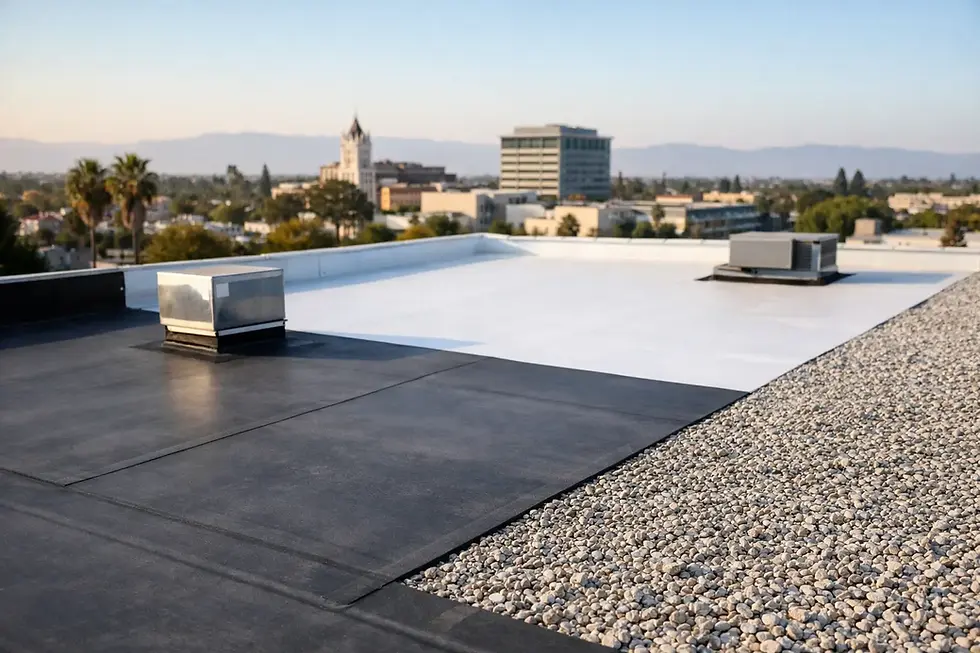
If the roof is tile, shake, shingle, or flat, the inspection points will vary. A tile roof has different failure risks than a composition shingle roof. A flat commercial roof needs close attention to seams, penetrations, and ponding areas. That is one reason local experience matters. A contractor who works on multiple roof systems in the Central Valley will know what tends to fail here and what to look for before it becomes a repair call.
City inspection versus private roof inspection
This is where many property owners get tripped up. They hear that the city inspected the job and assume that means everything has been thoroughly reviewed. Sometimes that is true at a basic level, but not always at the level a homeowner expects.
A city or county final inspection is there to verify compliance with permit requirements. It is an important step, and you should want it completed. But it is not necessarily a deep workmanship audit. It also may not address every detail that affects long-term performance.
A private roofing inspection is more focused on the roof itself. It can identify installation shortcuts, manufacturer spec issues, early signs of poor water shedding, and details that deserve correction while the project is still fresh. If there is a question about whether the crew did the job right, an independent look can save a lot of trouble.
The strongest position is having both when appropriate: the required final from the jurisdiction and a professional roof inspection when you want added peace of mind.
When a new roof inspection is most important
Some roofs should absolutely be inspected, even if the installer says everything is fine. If your roof was installed by a contractor you do not know well, if the bid was much lower than others, or if the crew changed during the project, getting it checked is a smart move.
Inspection also matters if the home has a complex roofline, multiple penetrations, skylights, chimneys, or a history of leaks. These features increase the odds of installation errors. The same goes for commercial buildings with flat or low-slope roofing, where small membrane or flashing mistakes can cause major interior damage.
Storm exposure is another factor. If strong wind or rain hit shortly after installation, it makes sense to inspect the roof and make sure no materials lifted, shifted, or failed to seal properly.
And if you are buying or selling a home with a newly replaced roof, documentation matters. A new roof can be a selling point, but buyers and agents still want to know whether permits were pulled, work was finalized, and the roof appears properly installed.
What happens if you skip the inspection?
Sometimes nothing. The roof performs as it should, and you never have a problem. But when there is a problem, the cost of skipping the inspection can show up fast.
A small flashing issue can turn into hidden water damage in the decking or attic. Poor ventilation can shorten the life of the materials. Improper fastener placement can void a manufacturer warranty. Drainage mistakes can create ponding, staining, and premature wear. If you do not catch those issues early, the installer may argue the damage came later or from another cause.
That is why timing matters. The closer the inspection is to the completion date, the easier it is to document conditions and request corrections before wear, weather, or finger-pointing muddy the picture.
How soon should a new roof be inspected?
The best time is right after installation is complete and before you make your final assumptions about the job. If a permit inspection is required, make sure that happens. If you want an added layer of confidence, schedule a roofing inspection soon after the project wraps up.
If the roof has already been installed for a few months, it is still worth checking. In fact, some problems only become easier to spot after a little weather exposure. Seal failures, drainage issues, loose components, and workmanship defects may show themselves once the roof has gone through heat cycles and a few storms.
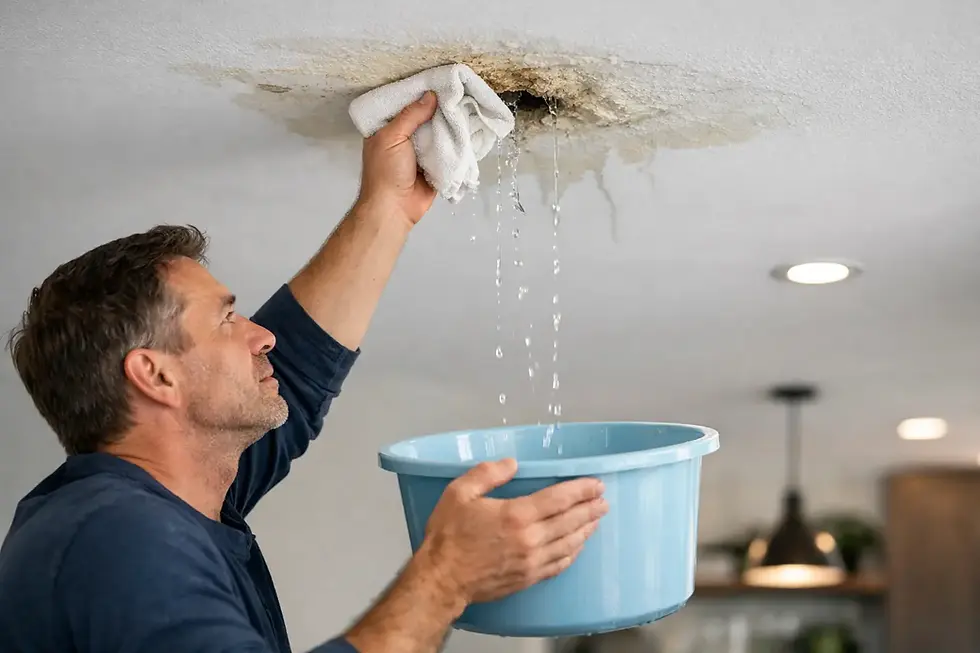
For homeowners and property managers in this area, a practical approach is simple: do not wait for a ceiling stain. If there is any doubt about the quality of the installation, get the roof looked at before a minor issue becomes interior damage.
Choosing the right roofer for inspections
Not every inspection has the same value. You want someone who understands installation as well as diagnosis, because spotting a defect is only half the job. The other half is knowing whether it is cosmetic, code-related, warranty-related, or a real water-entry risk.
That is where a seasoned local company makes a difference. Ron Williams' Certified Roof & Inspection has spent more than 40 years working on roofs across Stockton and surrounding communities, and that kind of field experience matters when you are evaluating new work. A dependable inspection should give you a straight answer, not guesswork and not scare tactics.
If your new roof was just installed, the smart move is not to assume. Verify it. A solid roof should be able to stand up to scrutiny, and if it cannot, you are better off finding out now than during the next Central Valley storm.

Comments