
How to Choose Roofing Contractor Wisely
- Ron Williams Certified Roof

- Jul 6
- 6 min read

A roofing estimate can look fine on paper and still turn into a headache once the crew shows up. That is why knowing how to choose roofing contractor services the right way matters before you sign anything. The goal is not just to find someone who can do the work. It is to find a contractor you can trust on your home or commercial property when the stakes are high.
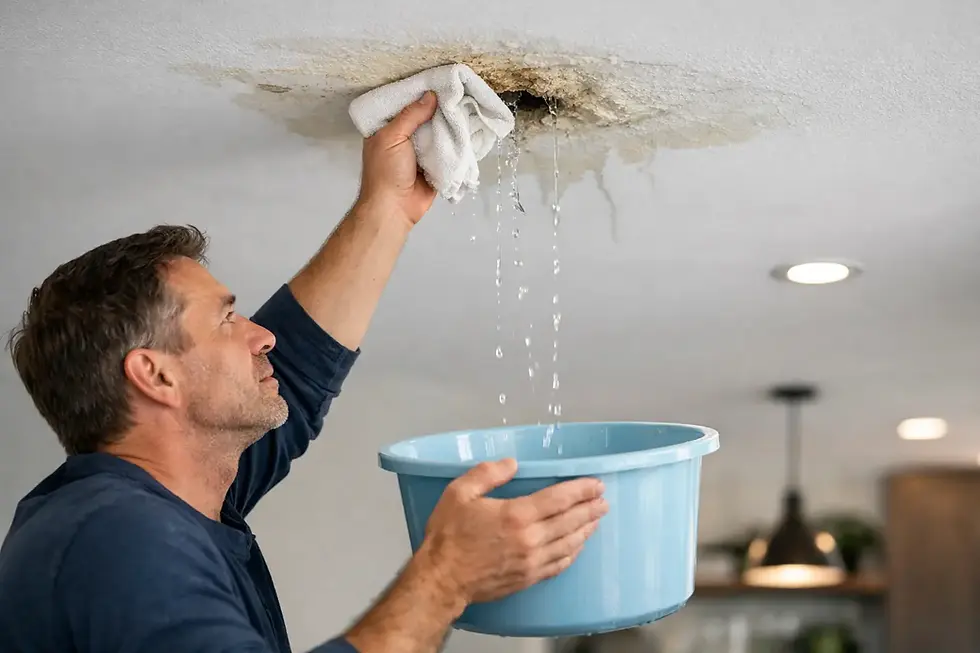
In places like Stockton, Lodi, and surrounding communities, roofs take a beating from heat, age, wind, and neglected maintenance. When a leak appears or a roof reaches the end of its life, most property owners are making a decision under pressure. That is exactly when bad hires happen. A low bid, a fast promise, or a handshake deal can cost far more than a solid contractor would have charged in the first place.
How to choose roofing contractor services without guessing
The first thing to look at is not price. It is legitimacy. A roofing contractor should be properly licensed, bonded, and insured. If a company hesitates when you ask for that information, move on. You are not being picky. You are protecting yourself from liability, poor workmanship, and unfinished jobs.
Insurance matters more than many homeowners realize. If a worker gets hurt on your property and the contractor is not properly covered, that problem can land on your doorstep. If roof damage happens during the project and there is no real coverage behind the company, you may be left sorting it out yourself. A professional contractor should be ready to show proof without making it awkward.
After that, look at how long the company has been doing roofing specifically, not just general construction. Roofing is its own trade. Flashing, ventilation, underlayment, drainage, material compatibility, and leak tracing all require experience. A contractor with years of hands-on roofing work is more likely to spot problems before they become change orders or callbacks.
Local experience usually beats a traveling sales pitch
A local roofing contractor has more to lose by doing poor work and more reason to stand behind the job. That matters. Companies rooted in the community depend on reviews, referrals, and repeat business. They cannot disappear as easily after the final payment clears.
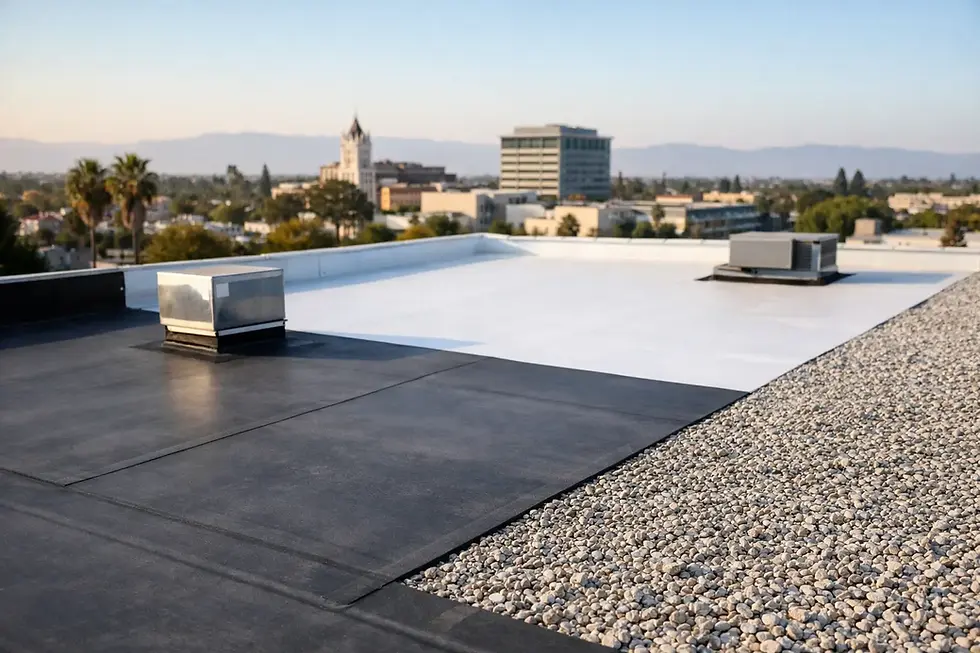
Local experience also means familiarity with the roof types and common issues in your area. In Central California, that can include sun damage, cracked tiles, worn shingles, aging flat roof systems, storm-related leaks, and drainage problems around gutters and skylights. A contractor who works in your area regularly will usually diagnose these issues faster and recommend repairs that make sense for the climate.
This does not mean every out-of-town company is a bad choice. It does mean you should ask tougher questions if they do not have an established local presence. Where are they based, who handles warranty calls, and how quickly can they return if there is a problem? Those answers tell you a lot.
Reviews matter, but read them like a property owner
Anyone can collect a few five-star ratings. What you want is a pattern. Look for comments about communication, cleanup, timeliness, professionalism, and whether the final work matched the estimate. Good roofing reviews usually mention specific experiences because roof projects are expensive and memorable.
Pay attention to how the company responds to criticism too. A contractor with a long track record may have a few negative reviews. That alone is not a deal breaker. What matters is whether the response sounds responsible and whether the same complaint keeps showing up. If multiple people mention missed appointments, surprise costs, or poor follow-through, believe the trend.
It also helps to ask for recent references, especially for a project similar to yours. A roof repair contractor may not be the best fit for a full replacement, and a shingle specialist may not be your best option for tile or flat roofing work. The closer the experience matches your job, the more useful that reference will be.
Compare estimates carefully, not just quickly
A roofing estimate should be clear enough that you know what you are paying for. If one bid is dramatically lower than the others, there is usually a reason. Sometimes materials are different. Sometimes important steps have been left out. Sometimes the crew plans to figure things out as they go and charge more later.
A solid estimate should explain the scope of work, materials, labor, cleanup, and whether damaged decking or other hidden issues are addressed separately. It should also outline the payment schedule. Be cautious with contractors who want a large payment upfront before materials are delivered or work begins.
The cheapest number is not always the best deal. Neither is the highest. What you want is confidence that the contractor understands the roof system, has priced it honestly, and is not cutting corners where you will not notice until the next storm.
Ask what happens if the inspection finds more damage
This is one of the most useful questions you can ask. Roofing projects sometimes uncover rotten wood, old leaks, ventilation issues, or failed flashing once the surface materials come off. A professional contractor should explain how those discoveries are handled, how they are documented, and how approvals work before added repairs move forward.
That conversation tells you whether the company operates with transparency or with pressure.
Make sure the contractor knows your roof type
Not every roofer is equally strong across all systems. That is worth remembering if your property has tile, shake, flat roofing, skylights, or a more complex roof layout. A contractor who mainly installs standard shingles may still be qualified, but you should not assume that experience carries over automatically.
Ask direct questions about roofs like yours. How often do they repair or replace that system? What are the common failure points? What installation details matter most? A contractor who knows the work will answer clearly. Someone who speaks in vague generalities may be learning on your project.
This is especially important for leak diagnosis. Finding the source of a roof leak is not always straightforward. Water travels. What looks like a problem in one area may start somewhere else entirely. A company that also performs inspections tends to bring more value here because diagnosis and repair are connected, not split between separate providers.
Communication is part of the job
Roofing is not just materials and labor. It is scheduling, updates, documentation, and follow-through. If a company is hard to reach before you hire them, they usually do not get easier to work with after the deposit is paid.
Notice how they handle the early steps. Do they show up when promised? Do they answer questions directly? Do they explain recommendations in plain language? Do they send a written estimate on time? Those are not small details. They are clues about how your project will be managed.
Good contractors do not need to rely on pressure tactics. If someone pushes you to sign immediately, avoids details, or acts irritated by normal questions, that is a red flag. A trustworthy roofer knows you are making a major property decision and should expect you to take it seriously.
Warranty talk should be clear, not slippery
Always ask what warranty applies to workmanship and what comes from the manufacturer. Those are not the same thing. Material warranties may cover defects in the product, while workmanship warranties cover installation errors. If a contractor talks about a warranty but cannot explain what it covers, get more details before moving ahead.
A reliable company should stand behind its labor and tell you how service issues are handled if they come up later.
The best choice is usually the contractor who reduces risk
If you are still wondering how to choose roofing contractor services, think in terms of risk, not just cost. The right contractor lowers the chance of delays, hidden issues, poor installation, and warranty trouble. They inspect carefully, communicate clearly, and have the experience to match the roof in front of them.
For homeowners and property owners, peace of mind has real value. A roof protects everything underneath it, from your family and tenants to your inventory and daily operations. That is why the best hire is usually not the one with the flashiest pitch. It is the one with the strongest proof - licensing, insurance, local experience, solid reviews, and a clear plan from inspection to completion.
If a contractor can show that track record and answer your questions without dodging them, you are probably looking in the right direction. A good roof starts with a good decision, and that decision gets easier when you know what to look for.

Comments