
Stockton Roof Leak Repair That Stops Damage Fast
- Ron Williams Certified Roof

- 12 hours ago
- 5 min read

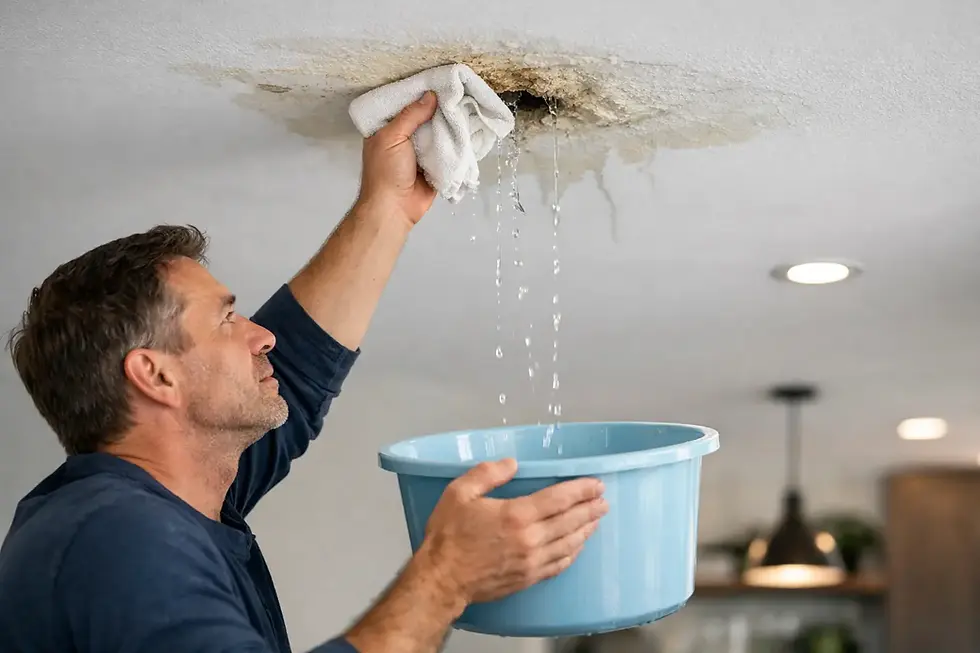
A brown ring on the ceiling, a damp wall near a window, or water dripping into a bucket means the roof needs attention now. Stockton roof leak repair is not just about patching the visible wet spot. The real job is finding where water entered, identifying what allowed it through, and making a repair that protects the structure beneath your roof.
A small leak can travel across roof decking, insulation, rafters, and drywall before it becomes visible indoors. Waiting for the next rain to see whether it gets worse can turn a manageable repair into damaged sheathing, mold concerns, ruined finishes, or a larger replacement project. A prompt inspection gives you clear answers before more water gets inside.
What to Do When Your Roof Is Actively Leaking
Start by protecting the interior. Move furniture, electronics, and valuables away from the affected area. Place a container beneath dripping water, and use towels to contain spreading moisture. If a ceiling is bulging with trapped water, stay clear of it. A saturated ceiling can fail without much warning.
Do not climb onto a wet roof or try to cover a steep roof during a storm. Wet shingles, tile, shake, and flat roofing surfaces are dangerous, especially when wind is involved. If it is safe to do so from the ground, note where water is showing inside and whether it began after wind, heavy rain, or a recent change in weather. That information helps a roofing professional narrow down the likely source.
Once conditions are safe, schedule a professional inspection. Temporary measures may limit interior damage, but they are not the same as a completed repair. Water often enters through a small opening that remains hidden until the roof is examined closely.
Stockton Roof Leak Repair Starts With the Source
The stain on your ceiling is rarely a precise map of the leak. Water can run along framing or underneath the roofing material before it reaches the interior. That is why experienced diagnosis matters more than a quick application of sealant.
A proper roof leak inspection looks at the roof system as a whole. The contractor should inspect the roofing surface, flashing, penetrations, valleys, ridge areas, vents, skylights, gutters, and transitions where the roof meets walls or chimneys. The underside of the roof, when accessible, can also reveal damp decking, staining, failed fasteners, or signs of repeated moisture.
Common causes of roof leaks include damaged or missing shingles, cracked or slipped tile, worn shake roofing, failed pipe flashing, deteriorated sealant around penetrations, exposed fasteners, and worn underlayment. On low-slope or flat roofs, ponding water, open seams, split membrane material, and drainage issues are frequent concerns. The right repair depends on the roof type and the condition of the materials around the damaged area.
A patch may be the right answer when the issue is isolated and the surrounding roof remains in good shape. It is not the right answer when widespread aging, brittle materials, multiple repair areas, or failing underlayment point to a larger problem. A reliable contractor will explain that difference plainly rather than pushing one solution for every roof.
Why Leaks Can Show Up After Heat, Wind, or Rain
Roof damage does not always begin with a dramatic storm. Years of sun exposure can dry out shingles, weaken seals, and make flashing more vulnerable. Seasonal temperature changes cause roofing materials to expand and contract, putting stress on joints and penetrations. Wind can lift edges, loosen tile, move debris into drainage paths, or expose areas that were already worn.
In Stockton, roof systems also face extended heat and dry conditions that can age materials over time. Then a strong rain exposes the weak point. Homeowners sometimes assume the rain created the problem overnight, but the actual cause may have been developing for months or years.
Gutters deserve attention as part of the inspection. Clogged or poorly draining gutters can force water back toward fascia boards and roof edges. Overflow can look like a roof leak from inside the property, even when the main roofing field is intact. Addressing the drainage issue along with the roof repair helps prevent the same trouble from returning.
Repair, Reroof, or Replacement: How to Make the Call
The most cost-effective choice is not always the smallest repair. If a roof is relatively new and the damage is limited to one area, targeted repair can restore protection without unnecessary expense. Replacing a few damaged shingles, resetting tile, repairing flashing, or sealing a specific penetration can be a practical solution when the roof system still has useful life left.
The decision changes when leaks are recurring. Multiple patches across an aging roof can become more expensive than addressing the underlying issue. Soft or deteriorated decking, widespread granule loss, brittle shingles, failing underlayment under tile, and repeated leaks in different locations are signs that a more comprehensive reroof or replacement discussion may be warranted.
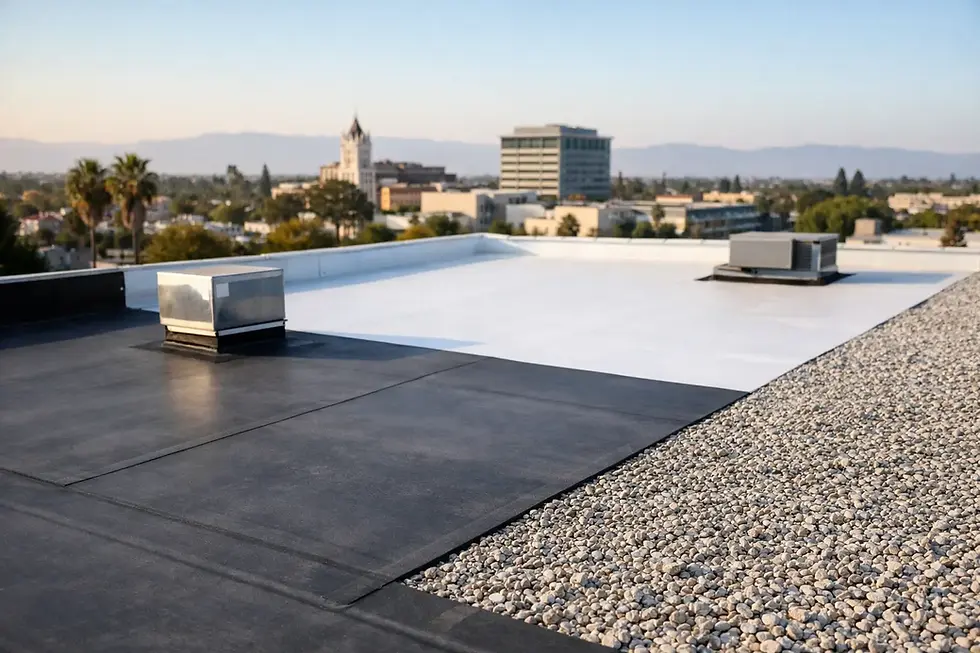
For commercial property owners, the calculation can be different. A small leak can interrupt operations, damage inventory, affect tenants, or create safety concerns. Flat and low-slope roofs need careful evaluation of membrane condition, drains, seams, and areas where equipment penetrates the roof. Repair may be appropriate, but it should be based on the roof’s actual condition and the property’s long-term needs.
A thorough estimate should identify the problem area, describe the recommended scope, and explain whether related materials need attention. Be cautious with vague proposals that simply promise to “seal the leak” without identifying the source or the repair method.
Choose a Contractor Who Can Diagnose and Complete the Work
A leaking roof creates pressure, and that pressure can lead property owners to hire the first person who offers a quick fix. Speed matters, but so do credentials, workmanship, and accountability. Look for a licensed, bonded, and insured roofing contractor with local experience across the roofing system you have.
Ask how the leak will be traced and what the proposed repair includes. A qualified roofer should be comfortable working with shingle, tile, shake, and flat roofing systems, not just one material type. They should also be able to tell you when a repair is sensible and when spending money on repeated patches no longer makes financial sense.
Local reputation is worth weighing. Reviews, referrals, clear communication, and a contractor’s history in the community tell you more than a low number on an estimate. Ron Williams' Certified Roof & Inspection brings more than 50 years of roofing experience to inspections, repairs, replacements, and installation work for residential and commercial property owners.
Do Not Ignore the Areas Around the Leak
A roof repair is also an opportunity to look for moisture damage that has not yet become obvious. Wet insulation can lose effectiveness. Damp wood can deteriorate over time. Repeated moisture around a skylight, vent, chimney, or wall transition can affect finishes well beyond the original drip location.
After the repair, monitor the interior during the next rain and watch for new stains, odors, or changes in ceiling texture. If you have had a major leak, it may also be wise to inspect attic areas and affected interior materials after they have had time to dry. The goal is not just to stop water at the roofline, but to make sure the property is protected from the damage water leaves behind.
If you see water, staining, missing material, or a leak that keeps returning, do not wait for a bigger storm to make the decision for you. Schedule a professional roof inspection, get a clear explanation of the condition, and move forward with the repair that gives your property lasting protection.

Comments