
Why Hire a Licensed Bonded Insured Roofer
- Ron Williams Certified Roof

- Jul 9
- 6 min read

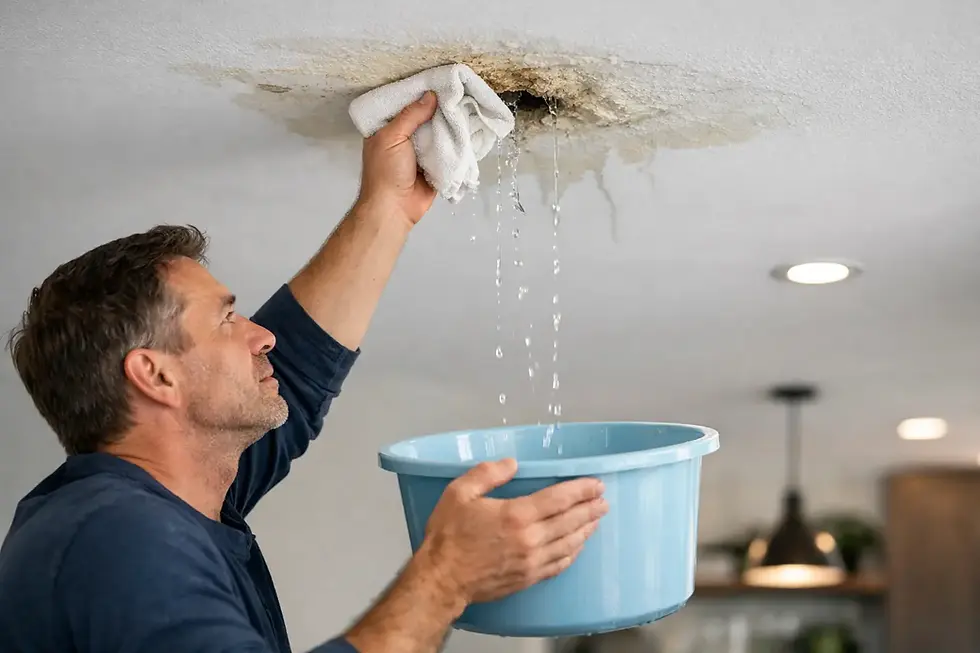
A roof problem gets expensive fast when the wrong contractor touches it. What looked like a simple repair can turn into hidden water damage, failed materials, and a crew that disappears when something goes wrong. That is why hiring a licensed bonded insured roofer is not a detail to gloss over. It is one of the first things that protects your home, your budget, and your peace of mind.
For homeowners and property owners, roofing is not just another home service. Your roof protects framing, insulation, ceilings, electrical systems, inventory, and everything underneath it. When a contractor cuts corners, the damage usually spreads beyond the roof itself. That is why credentials matter before the first shingle is lifted or the first tile is reset.
What a licensed bonded insured roofer actually means
These three words get grouped together so often that many people assume they all mean the same thing. They do not. Each one covers a different part of risk, accountability, and professional responsibility.
A licensed roofer has met state requirements to legally perform roofing work. That matters because roofing is skilled trade work, not general handyman labor. Licensing helps show that the contractor operates under state rules, meets required standards, and can be held accountable if there is a serious issue.
Bonded means there is a form of financial protection connected to the contractor's obligations. A bond is not the same thing as insurance, and that distinction matters. In simple terms, bonding helps provide recourse if a contractor fails to meet certain contractual or legal responsibilities.
Insured means the contractor carries insurance coverage that helps protect against certain losses, such as property damage or jobsite injuries. Without that protection, a property owner can be left dealing with the consequences of accidents that should never have landed on their shoulders.
When you hire a contractor with all three, you are not just checking boxes. You are reducing risk on multiple fronts.
Why a licensed bonded insured roofer is worth more than a cheap bid
Low bids get attention. They are supposed to. When a roof repair or replacement is already an unplanned expense, it is tempting to go with the cheapest number on the page. But roofing is one of the clearest cases where the cheapest option can cost the most.
An unlicensed contractor may underbid because they are skipping overhead that legitimate companies carry. They may not have proper insurance. They may not have trained crews. They may not pull permits when required. They may also use lower-grade materials or rush installation to make the numbers work.
That does not mean every higher bid is automatically better. It does mean you should compare more than price. A properly licensed, bonded, and insured company is investing in operating the right way. That usually translates into better systems, better supervision, clearer communication, and a stronger chance that the work will hold up.
On a roof, the trade-off is simple. Saving a little up front is rarely worth the risk of leaks, callbacks, code issues, or damage to the rest of the property.
What can go wrong when credentials are missing
Most property owners do not think much about contractor credentials until there is a problem. By then, options get narrower.
If a worker is injured on your property and the contractor does not carry proper coverage, you may find yourself in the middle of a situation you never expected. If materials are installed incorrectly and the contractor is not properly accountable, warranty issues can become a mess. If the company vanishes halfway through the job, recovering losses is a lot harder when there was no legitimate structure behind the business in the first place.
There is also the workmanship issue. Roof problems are not always obvious on day one. A roof can look fine from the curb and still have flashing errors, poor underlayment installation, bad ventilation details, or weak sealing around penetrations. Those mistakes often show up later, usually during heavy rain or intense summer heat.
That delayed failure is where hiring the right contractor from the start pays off. You want a company that knows the system, understands local conditions, and stands behind the work.
How to verify a licensed bonded insured roofer
You do not need to be a roofing expert to protect yourself. You just need to ask direct questions and expect clear answers.
Start by asking for the contractor's license information. A legitimate roofing company should have no problem providing it. Ask whether they carry both liability insurance and workers' compensation coverage. If a company gets vague, defensive, or tells you not to worry about it, that is your answer.
Ask how long they have been doing roofing work under that business name. Experience matters, especially with repairs and replacements where diagnosing the real problem is half the job. A company with deep experience is more likely to identify whether you need a localized repair, broader leak correction, or a full replacement based on the roof's actual condition.
You should also ask what type of roofing systems they regularly work on. A contractor who handles shingles, tile, flat roofing, skylights, flashing details, and gutters is usually better positioned to solve the whole issue instead of patching one symptom.
Reviews matter too, but read them with some judgment. Look for consistency in comments about responsiveness, professionalism, cleanup, honesty, and whether the company followed through after the estimate.
Why local experience matters with roofing
A licensed bonded insured roofer with local experience brings another layer of protection that credentials alone cannot cover. Roofing is affected by climate, building styles, common material choices, and the kinds of wear a roof sees over time.
In Central California, roofs take a beating from long sun exposure, seasonal rain, debris, aging sealants, and the normal expansion and contraction that happens year after year. A roofer who works in this region understands those patterns. They know which issues show up on older shingle roofs, what often causes leaks around skylights, and when a repair makes sense versus when replacement is the smarter investment.
That kind of judgment can save money. Sometimes the right answer is not a full reroof. Sometimes it is targeted repair work backed by a careful inspection. Other times the roof has reached the point where repeated patching is just delaying a larger problem. You want a contractor who will tell you the difference plainly.
Licensed bonded insured roofer vs handyman services
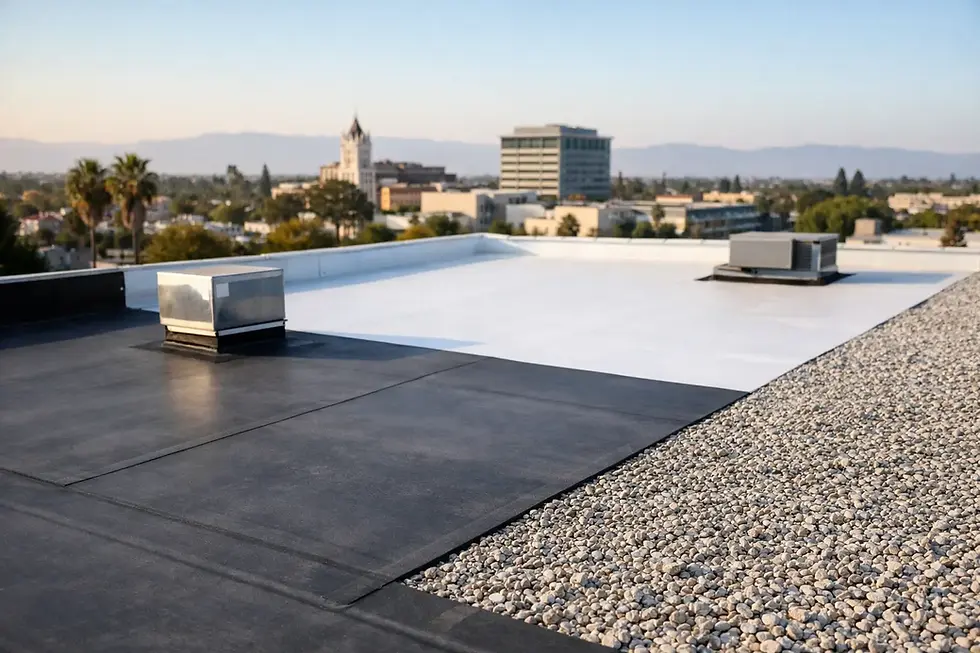
This is where many property owners get burned. A handyman may be perfectly capable with minor exterior tasks, but roofing is a specialized trade. Leak detection, underlayment, flashing, ventilation, drainage, and material compatibility all affect whether the roof performs the way it should.
A handyman fix might stop visible water for the moment while missing the actual failure point. That short-term patch can buy time, but it can also make later repairs more complicated if the original issue keeps spreading underneath the surface.
For very minor maintenance, some property owners still choose the handyman route because it feels faster or cheaper. But if the issue involves active leaking, damaged materials, replacement sections, flashing, skylights, valleys, or structural concerns, roofing should stay with a qualified roofing contractor.
What to expect from a professional roofing company
A professional roofing company does more than show up with a ladder and a price. You should expect a clear inspection process, straightforward communication, and an estimate that explains the scope of work. You should know whether the project is repair, replacement, sealing, or system-specific work and why that recommendation is being made.
You should also expect urgency without panic. A good contractor understands that active leaks and visible damage need attention quickly, but they should not pressure you into a decision without explaining the condition of the roof.
This is where established local companies stand out. A business built on reviews, repeat customers, and referrals has more reason to protect its reputation on every job. That matters when you are trusting someone with one of the most important systems on your property.
For homeowners and small commercial owners who want that kind of accountability, working with an experienced company such as Ron Williams' Certified Roof & Inspection means you are dealing with a team that understands both inspection and execution, not just one or the other.
The smartest question to ask before any roofing job
Before you talk materials, colors, or scheduling, ask one thing first: are you a licensed bonded insured roofer, and can you prove it?
That question helps cut through sales talk fast. It tells you whether the contractor takes the work seriously, whether they run a real business, and whether they are prepared to stand behind what happens on your property.
When your roof needs attention, trust should not be based on a handshake alone. It should be backed by credentials, experience, and a reputation that holds up long after the job is done. A good roof starts with good installation, but a smart roofing decision starts even earlier - with the contractor you choose.

Comments